Intentional Interruptions: Learning To Be Interrupted The Way God Intended
Jonathan Thomas
Christian Focus Publications, 2023 (ISBN:9781527110205 pb, 167pp)
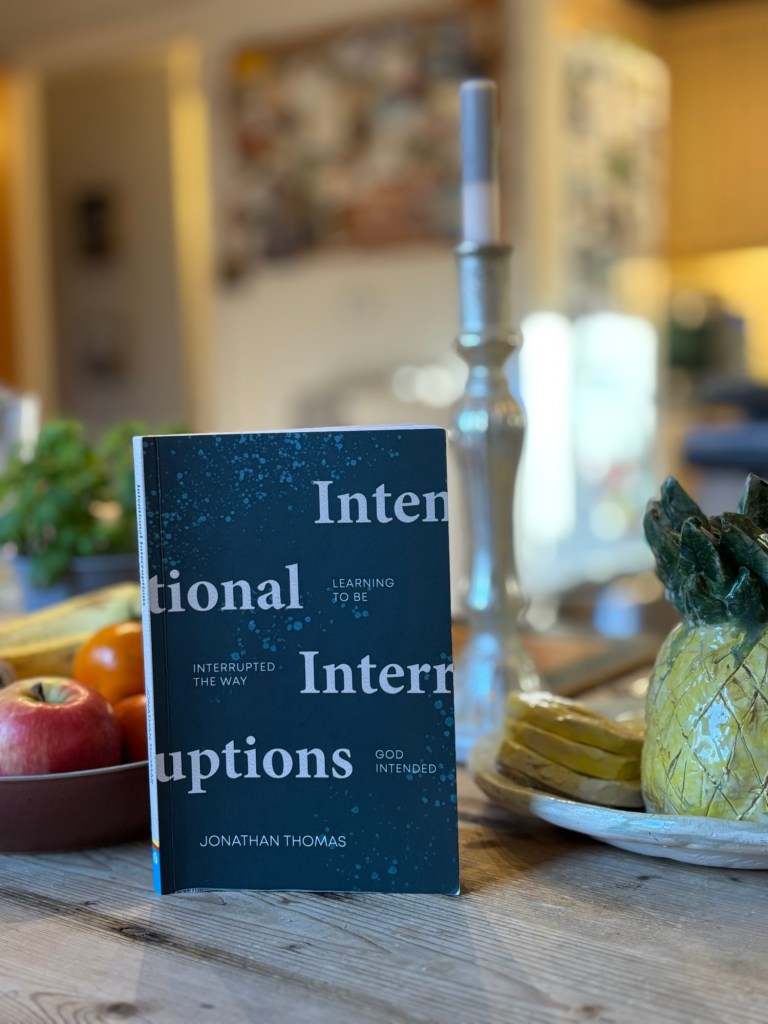
Learning to Be Interrupted the Way God Intended
Jonathan Thomas
The description of a mountain hike and “a serenity many of us [hadn’t] known for years” (9)drew me in at the start of this succinct book which aims to challenge our preconceptions about being interrupted and introduces the idea of “the divine interruption of communion
with God” (61).
Without coming across as anti-tech, but rather anti culture-led distraction, Thomas writes as a co-worker, friend, colleague, fellow traveller and fellow believer; one who knows only too well the snares of constant interruption in the modern, digital age.
Thomas recognises the problems of hurry sickness (“restless, distracted hurry”(16)) and asks the reader whether we are searching for rest in all the wrong places.
In the first half of the book Thomas explores the interruptions that distract us and why they are so addictive, inviting us to consider God’s intentions for our lives and the ways in which
He Himself might be interrupting us.
In the second half of the book Thomas presents to us five divine interruptions (Creation, Compassion, Communication, Conscience, Communion). ‘Selah’sections at the end of each chapter allow us to pause, consider a few chapter related questions and then pray with
Thomas’ own prayer prompts. The book thus lends itself to small group use or study.
Thomas’ analysis of the effects of social media, whilst not forensic in detail, nevertheless scrutinises closely the impact of apps on our control of our time. He observes the lack of push back or friction involved when browsing; the ease with which we are drawn in through
constant Lock Screen nudges that intentionally tempt us away from the challenge of living in the actual moment and its attendant demands and struggles whether they be at work, in the home, alone or with others. Social media massages our craving for false assurances instead of the “solid security, sonship status and serious satisfaction” offered in Christ Jesus (30). Who of us is not guilty “instead of seeking the Lord when we are sad, we soak in social media”
(33).
Whilst these interruptions can derail our plans, let’s not forget that they also can derail our hearts as they present their delicious morsels to us. Habits become rituals and these become
liturgies.
With his propensity to alliterate (a lot), Thomas shows us how, in contrast to the distractions of our culture, God’s interruptions are “deliberate, divine and designed” (39). He uses the examples of a number of biblical characters (Noah, Abraham, Moses, Rahab and Boaz) to highlight how God’s people in the Bible were often interrupted in order to be used by God. I particularly liked the way Thomas reminds us that Jesus was “constantly responding to non-diarised meetings” (45). How willing am I to be interrupted by those who would disrupt my
carefully planned schedule for the day? Are we so busy serving, like Martha, that we have stopped sitting at Jesus’ feet?
If we recognise ourselves in any of this, then Thomas encourages us to remember who we are. Our identity in Christ really is the most important thing about us that we need to remember each day. As created beings we must remember that we are designed by God but
have human limitations. And so onto Thomas’ creation principles of ‘Sleep, Sabbath and Slowing’ (53) which govern the remainder of the book.
The central message that communion with God far outshines the attractions of modern connectivity is a reminder I was happy to be interrupted by.

 Roques Reviews
Leave a comment